Resume shortlisting: A practical ATS checklist
If your applications keep disappearing into the void, resume shortlisting is the problem to fix. As of June 2026, the fastest way to improve your odds is to make the resume easy for Applicant Tracking Systems to parse, easy for a recruiter to skim, and obviously matched to the job description. Pika Resume helps job seekers do that quickly, with AI tailoring, LinkedIn import, ATS checks, and optional human review.
TL;DR
- Resume shortlisting usually happens in layers: ATS parsing, keyword match, recruiter scan, then hiring manager judgment.
- Clean resume format and job description matching matter more than clever wording.
- Resume keywords should reflect the role’s must-haves, not every skill you have.
- LinkedIn import can speed up drafting, but the imported version still needs tailoring before you apply.
- An ATS resume checker catches avoidable misses before a recruiter does.
What resume shortlisting means
Resume shortlisting is the first filter that gets an application in front of human eyes. In practice, that means the file is readable by Applicant Tracking Systems, matches the role closely enough on resume keywords and structure, and looks relevant when a recruiter opens it. A shortlist is not a job offer. It is the first green light.
A good way to think about it: the system is asking, “Does this person look like they belong in this role?” The answer gets built from the job title, the skills section, the summary, the experience bullets, and whether the resume format survives parsing. If those pieces line up, you move from the pile to the review list.
Why is your resume not getting shortlisted?
Most resumes miss shortlisting because they are generic, hard to parse, or aimed at the wrong role. The common failure is not lack of experience. It is signal loss. A resume can be strong on paper and still look weak to ATS software or a fast recruiter scan if the layout is messy, the language is vague, or the role fit is fuzzy.
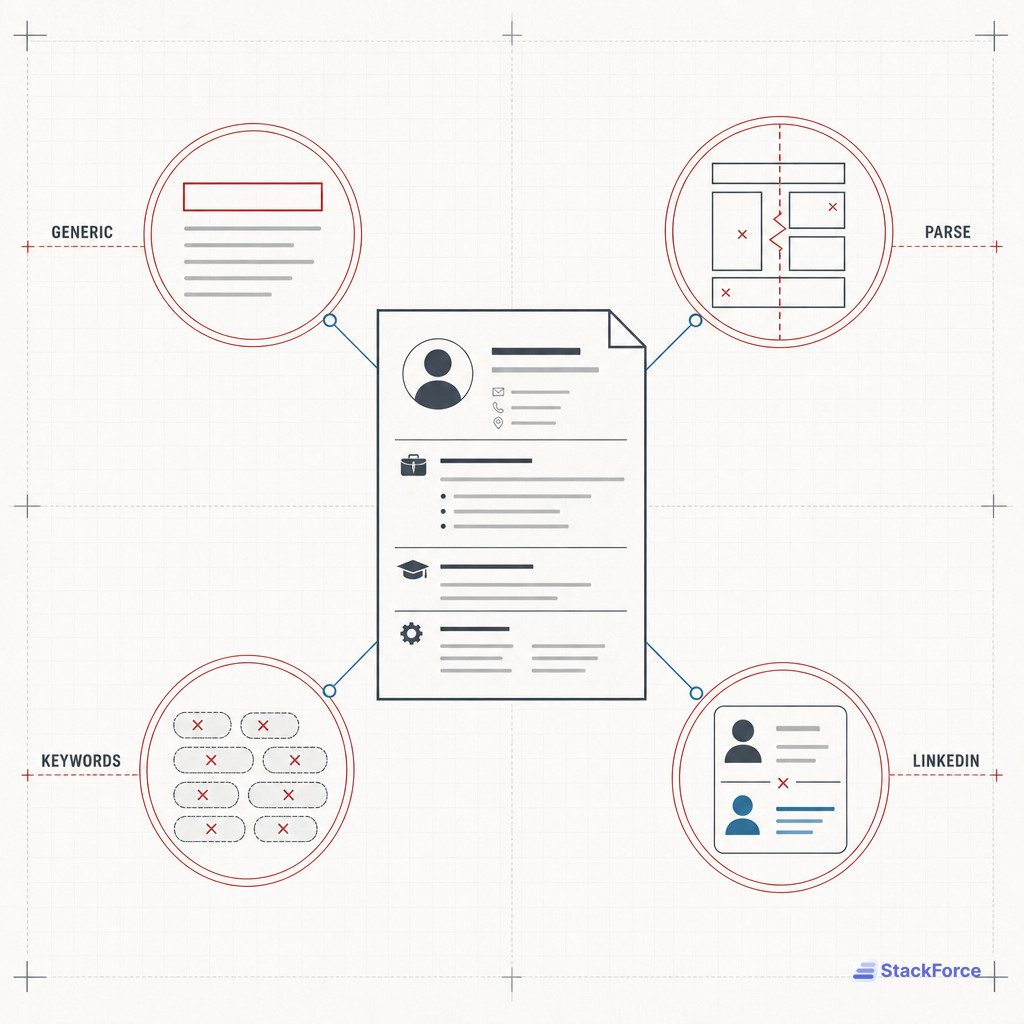
Most rejections come from signal loss, not lack of experience.
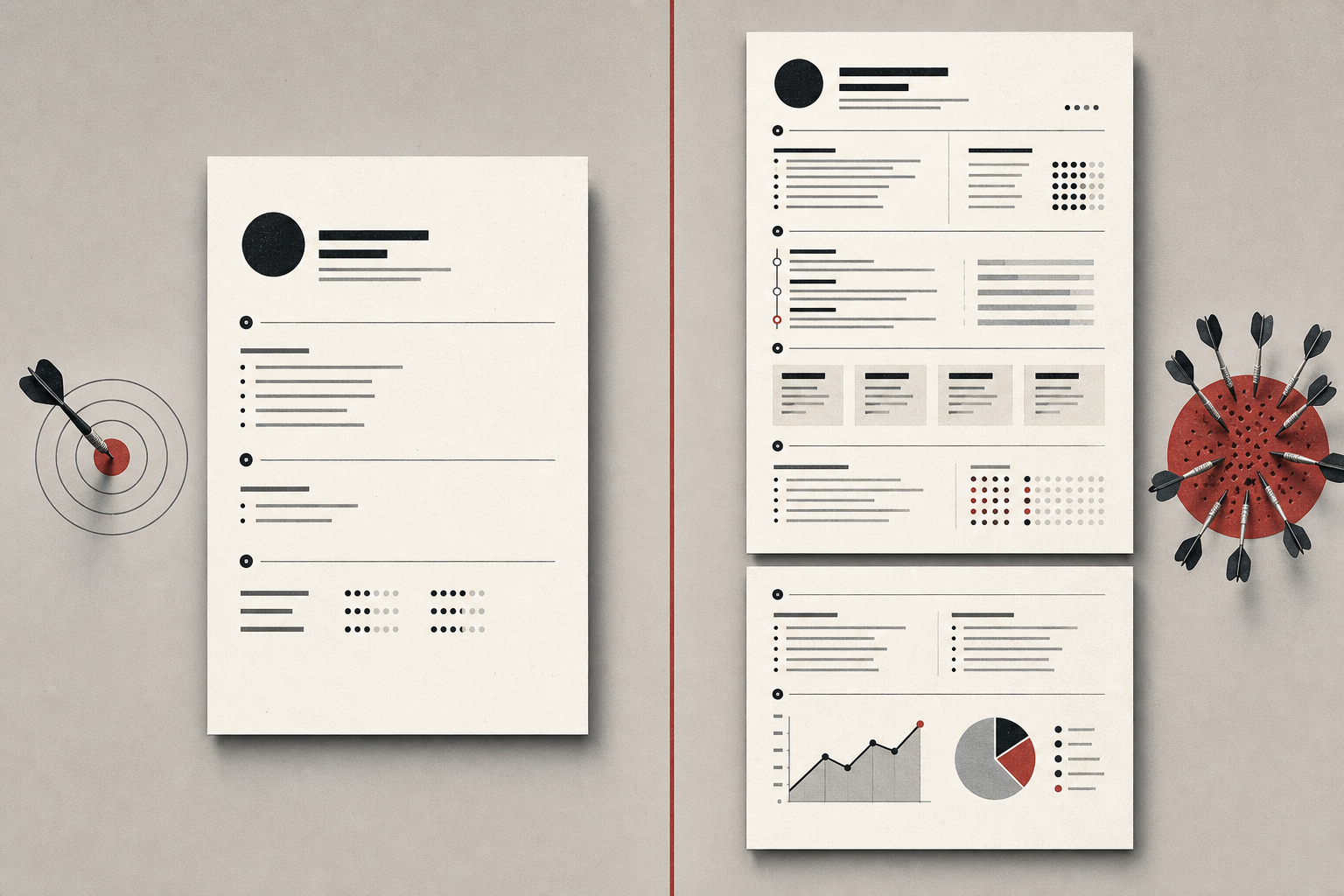
Warning: A pretty resume that breaks parsing can lose before a human ever reads it. Columns, graphics, icons, and text boxes often hide dates, titles, or skills from Applicant Tracking Systems.
One frequent issue is the summary. People write a broad career bio instead of a role-specific opener. Another is keyword drift. They describe their work in their own words, but never mirror the language in the job description. That matters because recruiters and software both look for overlap between what the employer asked for and what the resume shows.
LinkedIn can also quietly hurt or help you. If your profile says one thing and your resume says another, the inconsistency raises doubt. A vague headline, old job titles, or thin impact bullets can weaken the whole signal. The fix is not more decoration. The fix is tighter alignment.
How resumes are shortlisted
Resumes are usually shortlisted in four passes: ATS parse, keyword match, recruiter scan, and hiring manager judgment. Each pass removes noise in a different way, so the best resume is the one that survives all four.
| Screening layer | What it checks | What to optimise |
|---|---|---|
| ATS parse | Can the file be read correctly? | Clean layout, standard headings, simple structure |
| Keyword match | Do the terms line up with the job description? | Resume keywords, tools, skills, and title alignment |
| Recruiter scan | Does this look relevant in seconds? | Clear summary, measurable impact, obvious role fit |
| Hiring manager review | Can this person do the job? | Outcomes, scope, credibility, and progression |
Applicant Tracking Systems do the first sorting pass. They do not care how elegant the design looks. They care whether the file yields the right fields and whether the content matches the opening. Recruiters then do the “worth a closer look?” scan. Hiring managers ask the final question: does this resume tell a believable story about the kind of work they need done?
That flow is why people talk about ATS as if it is the gatekeeper. It is one of them. The real goal is to make the same resume work for software, recruiters, and the hiring manager without forcing each group to decode it.
What does the practical ATS checklist look like?
A shortlist-friendly resume passes parsing, matches the job, and stays simple enough for both software and humans. Run this checklist before each application, not once a year.
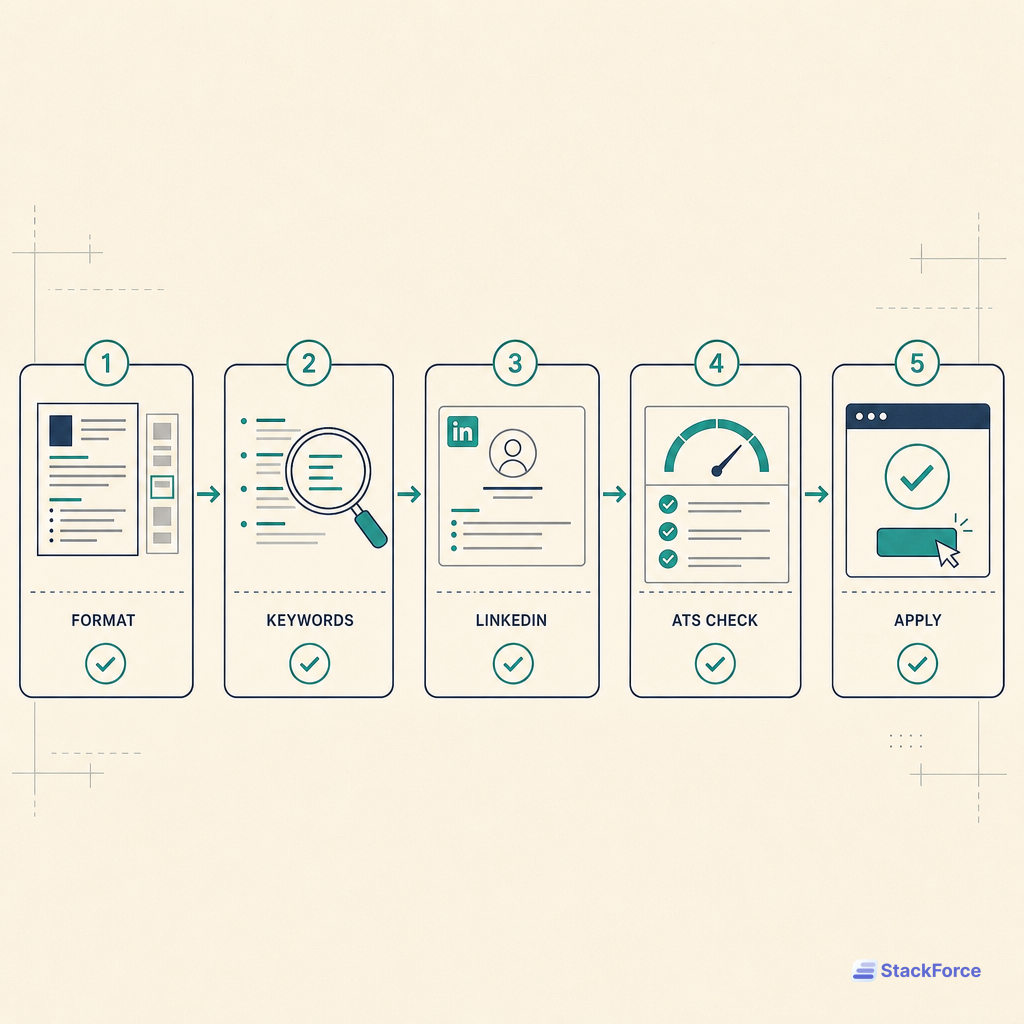
Run the checks in order before every application.
- [ ] Use one-column resume format with standard headings like Summary, Experience, Skills, and Education.
- [ ] Keep dates, titles, and company names consistent across every section.
- [ ] Match the job description language for core skills and responsibilities.
- [ ] Put the most relevant experience near the top.
- [ ] Remove graphics, tables, text boxes, and headers that can confuse parsing.
- [ ] Check that your LinkedIn profile says the same things your resume says.
- [ ] Run an ATS resume checker before you apply.
This is where a lot of job seekers get relief. A resume does not need to be flashy to win shortlisting. It needs to be legible, aligned, and specific. If you are starting from LinkedIn or an old resume, clean that base before adding more content. A weak foundation turns every revision into a patch job.
A quick test: if you copied the text into plain notepad and the story still made sense, you are probably close. If the resume depends on layout tricks to feel strong, it is time to simplify.
How to tailor your resume to a job description
Tailoring a resume to a job description means pulling the employer’s own language into your summary, bullets, and skills without copying the posting word for word. That is the highest-leverage move if you want your resume to get shortlisted more often.
- Read the job description once for role scope, then again for repeated skills and tools.
- Highlight the must-haves, the nice-to-haves, and the business outcomes the company wants.
- Reorder your bullets so the most relevant experience appears first.
- Rewrite two or three bullets to reflect the employer’s language and priorities.
- Trim anything that does not support the target role.
- Recheck the resume for clear matches and natural phrasing.
The best tailoring is selective. If a role wants SQL, dashboards, and stakeholder management, those terms should appear where they are true for your background. If the role is not asking for a skill, do not force it in just to chase a keyword. Recruiters notice the difference between relevant alignment and keyword stuffing.
Tip: Keep a master resume and a role-specific version. The master holds everything. The role version carries only the evidence that helps this specific application win.
That approach works for career switchers too. You do not need to pretend your whole background changed. You need to surface the transferable pieces that match the opening and hide the rest in the back seat.
How to get your resume shortlisted in Google?
For most job seekers, getting a resume shortlisted in Google means improving public discoverability across search-indexed profiles, not replacing normal ATS screening. If the role is found through Google, personal branding and public pages matter more than they do for an internal application.
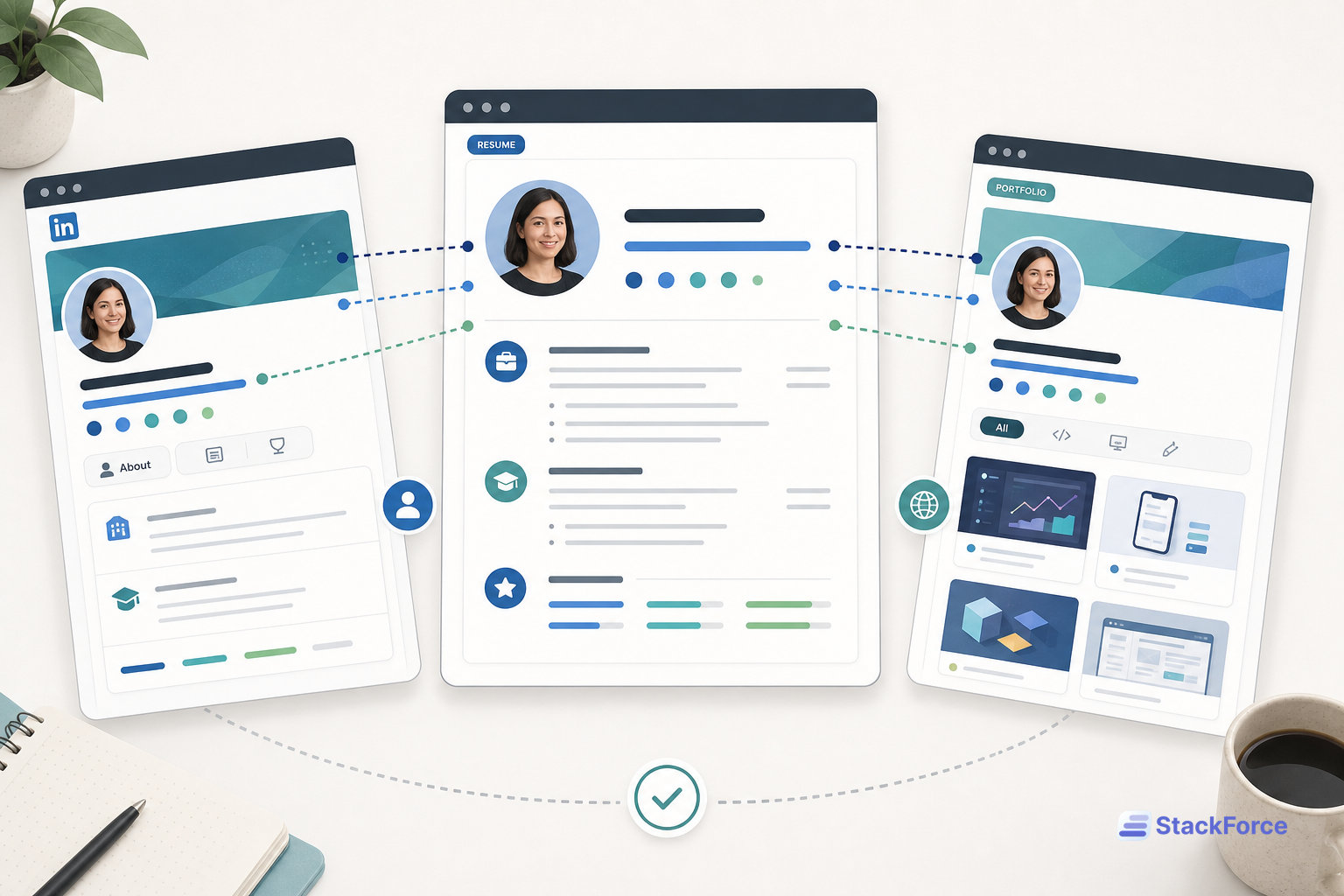
Useful for visibility, but secondary to ATS and role match.
This usually comes down to three things: a consistent name and title, a public LinkedIn profile that matches your resume, and portfolio or project pages that reinforce the same skills. Search engines are not reading your candidacy the way a recruiter does. They are matching signals across pages.
That said, do not over-prioritise this angle. For most roles, the main gate is still the job description, the ATS, and the hiring manager. Google visibility is a side path. Useful for discovery. Not the whole race.
What Pika Resume can do to improve shortlisting odds
Pika Resume helps job seekers turn a rough draft into a shortlist-ready application faster. It supports LinkedIn import, existing-resume uploads, and fresh starts, then uses AI to tighten the wording around the target job.
The ATS checker flags likely parsing problems and weak keyword coverage before you submit. That matters because many shortlists are lost on avoidable mistakes, not lack of talent. Optional human review adds a real hiring lens when the application is high stakes, such as a senior role, a career pivot, or a dream company interview sprint.
Used well, the product acts like a job-search control room. You can build the resume, check the fit, and polish the story without juggling three tools and a dozen tabs.
When should you stop tweaking and apply?
You should stop tweaking when the resume is clear, role-matched, and already passing the ATS checklist. Extra polishing past that point usually gives you diminishing returns.
If you have three strong matches in the top half of the page, clean formatting, and a summary that mirrors the role, apply. If you are still changing the same bullet for the fifth time, you are probably not improving the shortlist odds. You are just delaying the shot.
For senior, technical, or high-visibility roles, one final human read is worth it. For everything else, aim for “solid and relevant,” then move on to the next application.
Frequently asked questions
How to get my resume shortlisted?
Tailor your resume to the job description, use ATS-friendly formatting, and make your top experience match the role’s core skills. Start with a clean resume format, mirror the employer’s language where it is true, and run an ATS resume checker before you apply. If the job asks for specific tools or outcomes, make those easy to find in the first half of the page.
How resume get shortlisted?
A resume gets shortlisted when it survives ATS parsing, matches enough resume keywords, and looks credible to a recruiter and hiring manager. The system first checks structure, then language overlap, then proof of fit. A plain layout, clear titles, and role-specific bullets make that chain much easier to pass.
How to get resume shortlisted?
Focus on one application at a time and adjust the summary, skills, and experience bullets to the job description. Small, targeted changes beat broad rewrites. If you also keep your LinkedIn profile aligned and remove formatting clutter, you improve the odds of passing both software and human review.
You do not need a perfect resume. You need a resume that is easy to read, easy to match, and easy to believe. Fix the format, tune the keywords, and submit with confidence.